- Relationship help
- Practical skills
- Client-centered care
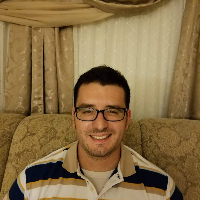
About David
He earned a master's degree in Mental Health from Stetson University with a dual certificate in Marriage and Family Therapy. Early internships included work at The House Next Door in Deland and on the crisis unit at Aspire Health Partners in Sanford. Since 2019 he has run a independent practice in Orange City, Florida while also serving as a State Hospital Liaison for Seminole County.
In practice he helps with common struggles such as anxiety, depression, stress, addiction, relationship and intimacy issues, parenting concerns, grief, and coping with life changes. He also works with people facing ADHD, bipolar disorder, trauma and abuse, and a range of family of origin issues.
Sessions tend to focus on what needs to change and how to get there. He blends approaches like client-centered listening and cognitive behavioral strategies with narrative and solution-focused work. That means sessions include listening, practical problem solving, and finding new ways to tell personal stories.
People can expect direct conversation about communication, commitment, infidelity, control issues, and separation or divorce where relevant. David aims to help clients build clearer goals and small steps they can use between sessions.
How David's approaches translate to online therapy
Client-Centered Therapy focuses on listening and understanding the person's experience. The therapist mirrors concerns, asks questions, and helps clients identify their own priorities and next steps. Cognitive Behavioral Therapy, or CBT, looks at patterns of thought and behavior and uses practical exercises to change unhelpful habits and reduce symptoms like anxiety or low mood.Choosing the right approach is a collaborative process. The therapist will work with the client to weigh goals, preferences, and what has or hasn't helped before. Together they decide whether client-centered conversation, CBT exercises, narrative reframing, or solution-focused steps will best suit the work ahead.
Confirm the current online session options before booking, since formats are not listed here. Online work can make it easier to fit sessions into a busy week, reduce travel time, and allow shorter check-ins when needed. It also makes it simpler to keep continuity during life changes, like relocations or schedule shifts. Licensed professionals can adapt exercises and homework for remote sessions so clients can continue progress between appointments.
Frequently asked questions
What kinds of concerns does this therapist address?
He works with stress, anxiety, depression, relationship and intimacy issues, addictions, grief, parenting and career challenges. Additional focus areas include communication problems, infidelity, divorce and separation, and men's issues.
What is his therapeutic style?
He uses client-centered listening alongside cognitive behavioral tools, narrative work, and solution-focused techniques. Sessions emphasize practical steps and clear goals tailored to each person's concerns.
How much clinical experience does he have?
He has worked professionally in mental health since 2012, giving him about 11 years of experience in community and clinical roles.
What are his credentials and where is he located?
He is a Licensed Mental Health Counselor (LMHC) and a Licensed Marriage and Family Therapist (LMFT) in Florida. His practice and professional roles are based in Florida.
Which languages are supported for sessions?
Sessions are offered in English.
Can people outside the U.S. work with him?
He does not accept international clients at this time.
How are costs handled for sessions?
Cost varies by location and therapist availability, and sessions use a subscription that can be canceled at any time.
How do I begin working with him?
Click the continue button on this profile, complete a short matching questionnaire, and schedule according to therapist availability.