- Relationship-focused care
- Addiction expertise
- Practical strategies
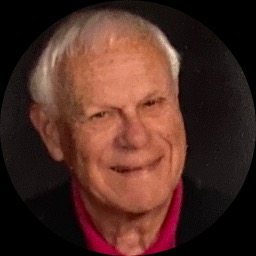
About Gabriel
He commonly works with people dealing with addictive behaviors and family of origin issues. He helps clients untangle patterns that show up in relationships and daily choices. Sessions often focus on identifying strengths and building small, manageable changes.
Gabriel draws on relationship-centered methods such as Imago Relationship Therapy and attachment-based ideas to look at how early bonds shape current connections. He also uses cognitive behavioral techniques and motivational interviewing to address unhelpful thoughts and to strengthen motivation for change. Trauma-focused approaches inform work with painful past events.
His style is straightforward and encouraging. He invites clients to name goals and to try practical strategies between sessions. Progress is tracked in clear, concrete steps rather than vague talk about feelings alone.
People who want focused help with stress, addiction patterns, sleep or eating concerns, or the strain of caregiving often find this approach useful. Gabriel accepts clients from outside the United States and conducts sessions in English.
How relationship and behavior-focused approaches work online
Gabriel uses Imago Relationship Therapy to help partners understand how early relationship patterns shape current interactions. This method looks at how people trigger each other and teaches structured communication skills that can reduce reactivity.Attachment-Based Therapy is used to identify how early bonds affect trust and closeness today. It helps clients notice patterns of distance or clinging and practice new ways of connecting that feel safer and more reliable.
Cognitive Behavioral Therapy, or CBT, helps people spot unhelpful thoughts and try different behaviors to change emotional responses. It is useful for anxiety, sleep and eating issues, and for building skills to manage cravings or impulsive actions.
Finding the best approach is a collaborative process. Gabriel will talk with each person about goals, history, and what feels most helpful. Together they decide whether relational work, attachment focus, CBT techniques, or trauma-focused work is the best next step.
If you prefer online sessions, confirm the specific session formats available before booking since the biography does not list them. Online work can make it easier to fit therapy into a busy life, allow shorter check-ins during a break, or avoid travel time. Many people find that clear goals and practical homework translate well to remote sessions with a licensed professional.
Frequently asked questions
What kinds of concerns does Gabriel address?
He works with stress, anxiety, addictions, relationship and family issues, grief, eating and sleeping problems, compassion fatigue, and ADHD among other concerns listed in his profile.
How would you describe his therapeutic style?
His style is direct and encouraging, focusing on strengths and practical steps. He helps clients set clear goals and try concrete strategies between sessions.
How much experience does he have?
He has 32 years of clinical experience working with a broad range of emotional and behavioral concerns.
What credentials does he hold and where does he practice?
He holds LCSW and LCSW-C credentials and practices in Virginia, with the LCSW registered in Virginia and the LCSW-C in Maryland noted in his background.
In which languages are sessions available?
Sessions are offered in English and he accepts international clients.
What session formats are offered?
Please confirm current session options before booking, as formats are not specified in the biography.
How is cost handled for sessions?
Cost varies with location and therapist availability; sessions use a subscription that can be canceled at any time.
How do I begin working with him?
Use the continue button on this profile, complete a short matching questionnaire, and then schedule according to therapist availability.