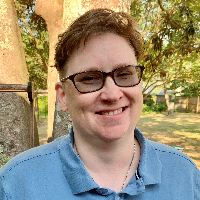
- LCMHC clinician
- Trauma-informed
- Relationship support
About Heather
Heather approaches therapy with a focus on collaboration. She uses client-centered work to hear what matters most to each person. She also brings in emotion-focused techniques to address how partners and individuals connect behind the scenes.
Her background includes a decade of clinical work across elder care, community mental health, and university settings. She has worked with LGBTQIAP+ communities, plural communities, and front-line workers, and she has long-term personal experience with dissociative conditions that informs her perspective.
In sessions Heather may use dialectical behavior therapy (DBT) skills for managing intense emotions and emotional regulation tools from emotionally-focused methods to repair interaction patterns. She integrates trauma-focused methods when past events affect current relationships and stress levels.
Outside of clinical work Heather continues to write, speak, and advocate on topics related to dissociative disorders and trauma. She also enjoys music and dance and sometimes brings expressive arts ideas into therapy when those approaches match a person’s needs.
How Heather’s Approaches Work Online
Client-centered therapy focuses on listening and building a working relationship that follows the client’s needs. Online sessions that use this approach prioritize what matters most to the person and let them set goals and the pace of work.Emotionally-Focused Therapy helps people notice patterns in how they connect and respond to others. Online EFT-style work looks at feelings and interactions to help shift how people relate and repair tension in relationships.
Dialectical Behavior Therapy, or DBT, teaches clear skills for emotion regulation, distress tolerance, and communication. In an online setting those skills can be practiced between sessions and reviewed together to see what helps in everyday life.
Finding the best approach is part of the process. Heather collaborates with each person to choose which methods fit their goals, history, and comfort level. She will adapt strategies over time based on what is working.
The biography does not list specific session formats, so confirm available options before booking. Online therapy can make it easier to fit sessions into busy schedules, offer shorter check-ins when needed, or reduce travel time. Many people find that remote work helps them keep therapy consistent while juggling work, caregiving, or other obligations.
Frequently asked questions
What kinds of concerns does Heather address?
She works with stress, anxiety, depression, addictions, trauma and relationship problems, plus related issues such as grief, intimacy concerns, self-esteem, and career stress.
What is her therapeutic style like?
Her style is collaborative and client-centered, with an emphasis on emotional connection and practical skills. She blends talk work with tools to manage emotions and improve interactions.
What experience does the therapist bring?
Heather has about 10 years of professional experience in settings such as elder care, community mental health, and university counseling, plus long-standing personal experience with dissociative conditions that informs her work.
What credentials and location are listed?
She holds the LCMHC credential and practices in North Carolina.
Which languages and international clients are supported?
Sessions are offered in English, and she accepts international clients.
Which session formats are available?
The original biography does not specify session formats; please confirm current session options with the service before booking.
How does pricing work for sessions?
Cost varies with location and therapist availability, and sessions use a subscription that can be canceled at any time.
How do I start working with Heather?
Use the continue button on this profile, complete a short matching questionnaire, and schedule according to therapist availability.