- Collaborative approach
- Practical skills
- Relationship focus
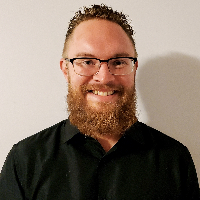
About James
Barrett uses a mix of proven approaches to help people make changes that matter. He often draws on client-centered work to follow what each person needs, cognitive behavioral techniques to shift unhelpful thoughts and behaviors, and the Gottman Method for relationship-focused work. Motivational interviewing also shows up when someone needs help finding motivation to change.
He has experience supporting people dealing with trauma, grief, sleep problems, anger, and issues around intimacy and parenting. He also works with people facing career strain, co-occurring mental health and substance concerns, and the fallout of separation or infidelity. Barrett pays attention to family of origin patterns and attachment issues that shape current relationships.
In sessions he aims to combine respect, compassion, and clear goals. Conversations are tailored to each person’s situation so plans feel realistic. He rejects stigmatizing labels and focuses instead on strengths and step-by-step adjustments.
People who choose him will find help naming problems, learning new ways to communicate, and building skills to manage stress or cravings. If someone wants to start, Barrett guides them through the next steps and works with them on achievable change.
How his approaches work in online therapy
Client-Centered Therapy puts the person’s experience first. The therapist follows what matters most to the client and shapes sessions around those priorities. This helps when someone needs listening, validation, and a space to sort out feelings. Cognitive Behavioral Therapy (CBT) focuses on the link between thoughts, feelings, and actions. It uses clear exercises and homework to break unhelpful patterns, which can help with anxiety, depression, sleep, and behavior change. The Gottman Method centers on relationship skills and communication strategies. It offers concrete tools to improve how partners talk, resolve conflict, and rebuild trust.Finding the right approach is a shared process. The therapist will work together with each person to see which methods fit their goals, needs, and preferences. That collaborative planning can include mixing approaches so sessions feel practical and focused on change.
The biography does not list specific online session formats, so confirm available options before booking. Online work can make it easier to fit sessions into a busy week, shorten check-ins when needed, and avoid travel time. It can also let people use a quieter space or skip being on camera depending on what they prefer. Ask about format details when scheduling so sessions match daily life and practical needs.
Frequently asked questions
What kinds of concerns can I bring to sessions?
He works with stress, anxiety, depression, addictions, relationship conflict, grief, trauma, parenting strain, sleep issues, anger, self-esteem, career stress, and related concerns listed in his profile.
How would you describe his therapy style?
His style is genuine and interactive. He focuses on practical steps, respect, and tailoring conversations to each person’s needs.
What experience does he have?
He has ten years of counseling experience, including work with individuals, couples, and families across relationship and addiction concerns.
What credentials and region apply to this therapist?
He is a Licensed Professional Counselor (LPC) practicing in South Carolina.
Which languages are supported and can international clients connect?
Sessions are offered in English and he accepts international clients.
What session formats are offered?
The original biography does not specify session formats, so confirm current session options with the provider before booking.
How is cost handled for sessions?
Cost varies with location and therapist availability and sessions use a subscription that can be canceled at any time.
How do I begin working together?
Select the continue button on this profile, complete a short matching questionnaire, and schedule according to the therapist’s availability.