- Stress and anxiety
- Relationship struggles
- Identity questions
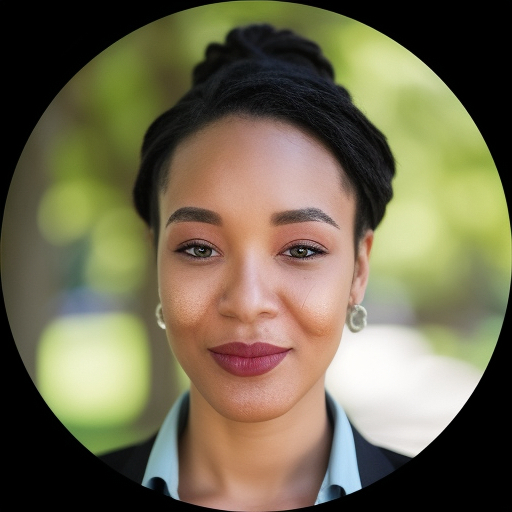
About Kerene
She brings a compassionate, culturally aware approach to each meeting. Sessions are practical and down-to-earth. She helps people name what matters, sort through painful feelings, and build steady coping habits.
Many clients come for help with mood shifts, communication problems, grief, or attachment struggles. She also addresses concerns such as ADHD, compassion fatigue, and relationship strain. Conversations tend to center on real situations and small, actionable changes that fit daily life.
Therapy mixes listening with tools drawn from several evidence-based approaches. Expect to practice skills between meetings and reflect on what does and doesn’t work. The goal is clearer self-understanding and more reliable emotional balance over time.
Dr. Brown works to meet people where they are and respects each person’s background and identity. She aims to create a space where clients can safely take steps toward their goals and try new ways of coping.
Therapeutic approaches and how they fit online
Acceptance and Commitment Therapy, or ACT, focuses on helping people accept difficult feelings while committing to actions that matter to them. It can help with anxiety, depression, and making real-life changes. Cognitive Behavioral Therapy, or CBT, looks at how thoughts, feelings, and actions interact and gives clear tools to reduce unhelpful patterns. It is often used for mood and anxiety concerns. Attachment-Based Therapy centers on understanding how early relationships shape current patterns and helps people change how they relate to others.Finding the right approach is part of the work. The therapist will collaborate with each person to choose methods that match their goals, needs, and preferences. That means trying things, checking what helps, and adjusting the plan together over time.
Confirm which session formats are currently offered before booking. Online therapy can make it easier to fit appointments into a busy life, cut travel time, and allow shorter check-ins when schedules require it. It also makes it possible to continue steady work on stress, communication, and coping skills from wherever daily life happens. Licensed professionals can use these approaches effectively in remote sessions, and the therapist will discuss practical options when you schedule.
Frequently asked questions
What kinds of concerns can I bring to therapy?
She works with stress, anxiety, depression, trauma and abuse, relationship and family issues, grief, parenting strain, bipolar concerns, ADHD, and related topics listed in her profile.
What is her general approach in sessions?
She uses a mix of evidence-based methods and a client-centered stance. Meetings combine listening, skill practice, and problem-solving tailored to each person's needs.
How much experience does she have?
She has seven years of clinical experience working with adults and young adults on emotional and life transition issues.
What are her professional credentials and where is she based?
She holds LICSW, LCSW, and CSW credentials and practices in Georgia with licensure also noted in DC.
Which languages are supported for sessions?
Sessions are offered in English.
Can people outside the United States work with her?
She does not accept international clients at this time.
How are fees and payment handled?
Costs vary by location and therapist availability; sessions use a subscription model that can be canceled at any time.
How do I begin working with her?
Use the continue button on this profile, complete a short matching questionnaire, and then schedule according to therapist availability.