- Relationship support
- Trauma-informed approach
- Action-oriented coaching
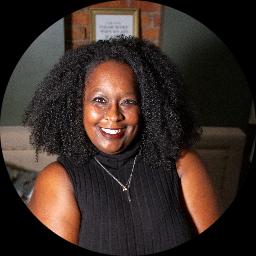
About Ranada
She focuses on relationship concerns alongside a wide range of issues such as trauma and abuse, anxiety and depression, parenting and blended family challenges, and intimacy-related problems. She also helps with life changes like divorce, empty nest transitions, and new parenting. Other areas she supports include grief, caregiving stress, career questions, and ADHD-related struggles.
Her approach blends client-centered work with Cognitive Behavioral Therapy, Emotionally-Focused Therapy, the Gottman Method, Motivational Interviewing, and Narrative Therapy. She adapts the plan to fit each person, recognizing that one method does not suit everyone. Sessions emphasize clear, practical steps and honest conversation.
Ranada also brings coaching skills to help clients move from insight to action. She works with issues such as communication problems, commitment concerns, control issues, and body image. The focus is on helping people find workable changes in day-to-day life.
People who choose her can expect an empathetic listener who helps set goals and offers tools to manage stress, improve relationships, and navigate difficult transitions. The work aims to help clients build greater confidence and more satisfying connections.
Therapeutic approaches for online relationship and life work
Ranada uses client-centered work and Cognitive Behavioral Therapy to guide online sessions. Client-centered work focuses on listening closely and building a respectful dialogue so people feel heard and understood. Cognitive Behavioral Therapy looks at thoughts and behaviors that keep problems going and teaches practical skills to change them.She also draws on Emotionally-Focused Therapy when relationship bonds and emotional responses are central. EFT helps people identify their emotions, express needs clearly, and repair interaction patterns that cause distance or conflict.
Choosing the right approach is a collaborative process. The therapist and client will talk about goals, preferences, and what feels useful, then adapt methods over time. If one approach does not fit, she adjusts the plan to try alternatives together.
Online therapy can make it easier to fit sessions into a busy life and keep continuity during transitions. It can reduce travel time, allow shorter check-ins when needed, and let people meet from locations that work with their schedule. Confirm the current session options before booking so you know what formats are offered for your needs.
Frequently asked questions
What kinds of concerns does Ranada help with?
She supports people with relationship struggles, family and blended family issues, trauma and abuse, intimacy-related concerns, anxiety, depression, and life transitions like divorce and new parenthood.
What is her therapeutic style like?
Her style is warm, empathetic, and client-centered. Sessions are interactive and focus on practical steps alongside emotional work.
How long has she been practicing?
She has 19 years of experience working with a wide range of emotional and relationship concerns.
What credentials does she hold and where is she based?
Ranada holds LMHC and LPC credentials and practices in Indiana.
Are sessions available in languages other than English?
Sessions are offered in English.
Can she work with clients outside the U.S.?
She accepts international clients, though any licensing or practical considerations will be confirmed during intake.
How are costs and subscriptions handled?
Cost varies with location and therapist availability; sessions use a subscription model that can be canceled at any time.
What are the steps to begin therapy?
Start by selecting the continue button on this profile, complete a short matching questionnaire, and schedule sessions according to therapist availability.