- Relationship-focused support
- Practical coping skills
- Mindful communication
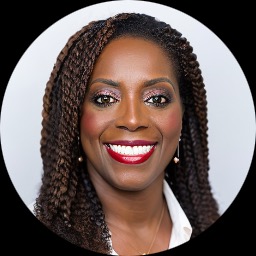
About Ruth
Ruth works in a compassionate, person-centered way. She listens first, then helps people set clear goals. In sessions she guides conversations that uncover patterns and build new coping skills. She uses everyday language so ideas are easy to try between appointments.
Her approach draws on several evidence-informed methods. Cognitive Behavioral Therapy (CBT) helps people change thoughts and behaviors that feed distress. Mindfulness practices train attention and reduce reactivity. The Gottman Method offers concrete tools for improving communication and handling conflict in relationship-focused work.
Ruth also uses motivational interviewing and solution-focused techniques to set realistic steps and keep progress moving. She emphasizes self-understanding, forgiveness, and practical problem solving. That can include managing caregiver stress, navigating separation, or coping with addiction-related concerns.
With six years as a licensed clinician in Florida, Ruth blends structure with flexibility. Sessions aim to be useful and doable, not overwhelming. Prospective clients are invited to start with a short matching process and schedule sessions that fit their needs.
How therapy approaches translate to online work
Client-Centered Therapy focuses on understanding each person's experience and collaborating on goals. In practice this means the therapist listens closely and reflects what matters most to the client, which helps people feel heard and clearer about next steps.Cognitive Behavioral Therapy, or CBT, breaks problems into thoughts, feelings, and actions. It teaches simple experiments and homework that reduce anxiety and shift unhelpful patterns, which many people find useful for worry, panic, and low mood.
The Gottman Method provides specific communication skills and conflict tools aimed at improving connection and managing disagreements. These strategies are useful when relationship patterns are a frequent source of stress.
Deciding which approach to use is a collaborative process. The therapist will work with each person to identify priorities, try interventions, and adjust methods based on what helps most. That way the plan fits the client's needs and preferences.
Confirm the available session options before booking, as formats are not listed here. Online work can make it easier to fit therapy into a busy life by removing travel time and allowing sessions during breaks. It can also let people try shorter check-ins or use mindfulness exercises between meetings, depending on the session structure offered.
Frequently asked questions
What concerns does Ruth address?
She helps people manage stress, anxiety, depression, and relationship difficulties, along with trauma, grief, ADHD, anger, and self-esteem issues.
How would you describe her therapeutic style?
Her style is compassionate and person-centered, focusing on listening first, setting clear goals, and teaching practical skills to use between sessions.
What kind of experience does she have?
Ruth has six years of experience working in independent practice in Florida since 2015, supporting adults through a range of emotional and relationship concerns.
What credentials and location information are listed?
She is a Licensed Mental Health Counselor, LMHC, practicing in Florida.
Which languages are supported for sessions?
Sessions are offered in English.
Can international clients work with her?
She is not currently working with international clients.
How is cost handled for sessions?
Cost varies with location and therapist availability, and sessions use a subscription that can be canceled at any time.
How do I begin the process?
Select the continue button on this profile, complete a short matching questionnaire, and schedule according to the therapist's availability.